Our How To’s are an extensive resource to help you get started in the world of natural dyes. All of our products come with instructions. We’ve gathered them all below for you to reference easily.
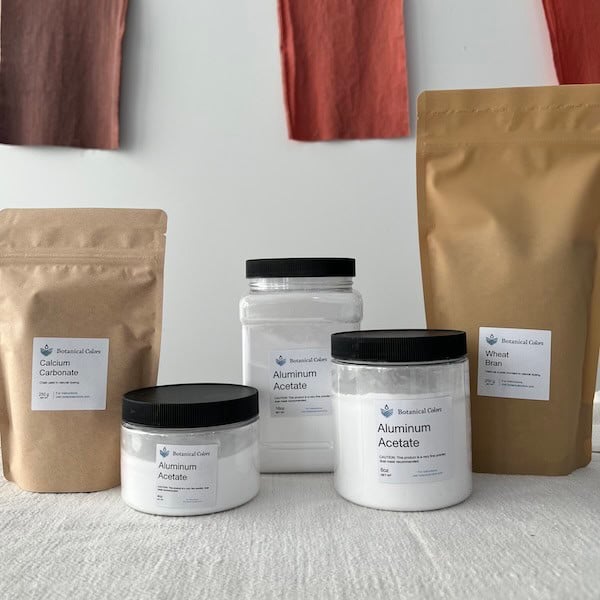
How To Mordant
Mordanting is the most important process of preparing fibers to accept color. A mordant is a mineral salt that fixes with the fiber allowing natural dyes to bond to it. For us it is the most important step to improve light and washfastness. Using a mordant helps to ensure the most durable and long-lasting colors. With the exception of indigo (as a vat dye, it does not require a mordant), this is not an optional step. However, there are many different mordants you can use. Deciding which mordant to use comes down to the types of fibers you want to dye and how much time or energy you wish to spend. The table below explains the different mordants that we offer and the advantages and disadvantages of each one. The mordants we offer are generally accepted as non-toxic, and we encourage you to work in a well-ventilated area and to use gloves, dust mask and eye protection when weighing powders. Always supervise children when working with natural dyes, and keep all ingredients away from children and pets.
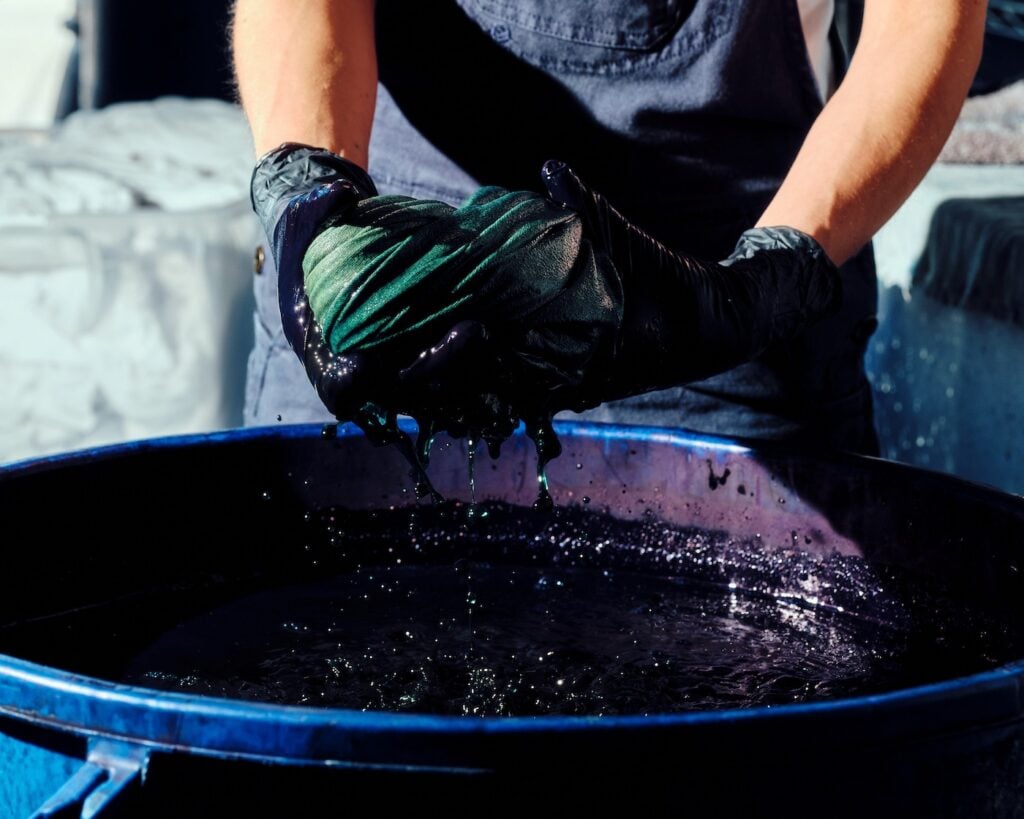
How To Dye With Indigo
Our indigo instructions originally used a recipe based on Michel Garcia’s 1-2-3 vat, created nearly 10 years ago. Since then, we’ve made some changes and developed different recipes that will allow you to control how light or dark your vat is. There are three main types of vats that you can build. Use the indigo instructions below to decide which one is best for you.
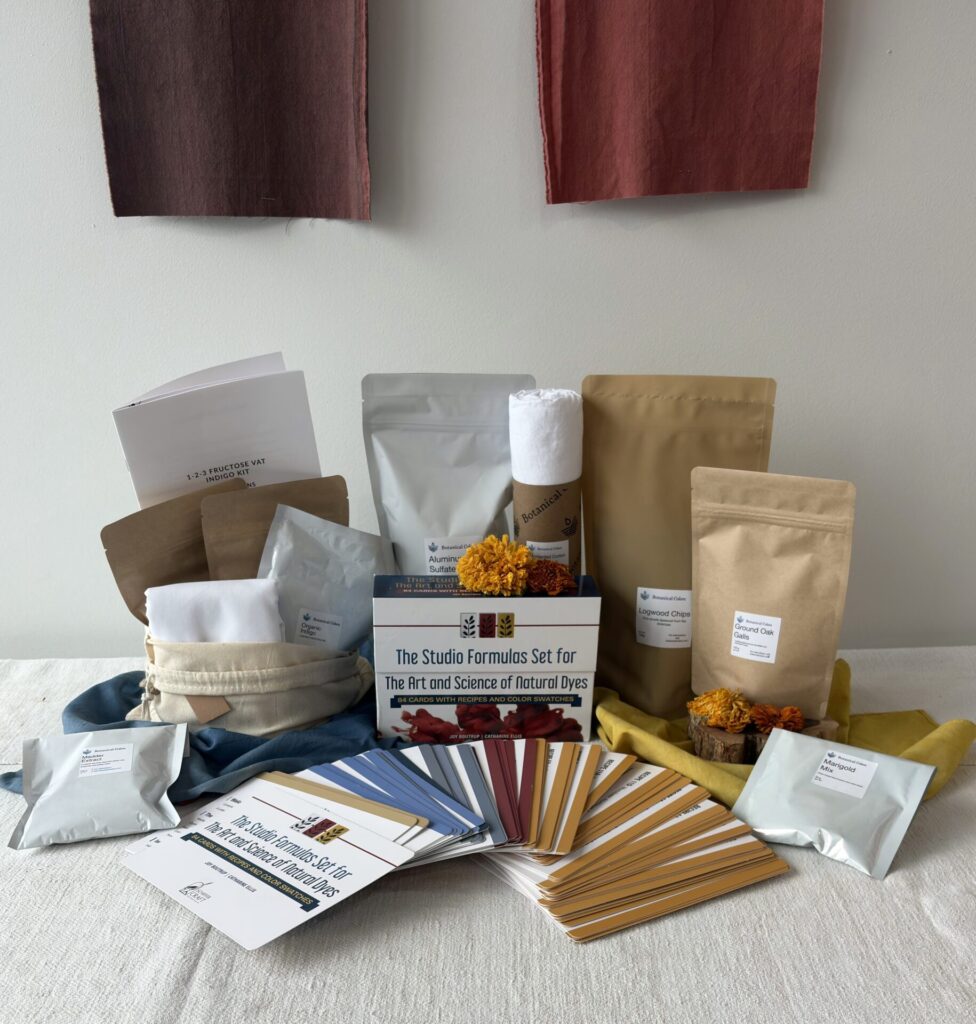
New To Natural Dyes?
If you’re new to natural dyes, we want to welcome you! Natural dyeing is one of the most exciting crafts you can take on. Change the color of your favorite t-shirt or evolve a well-worn dress! Learn about how color sticks to a textile in easy to understand terms and recipes.
Natural dyes are a medium. Renewable, non-toxic and medicinal, natural dyes connect us to our ancient past when we lived more harmoniously with the natural world. They are derived from plant matter, minerals and metals and can be simply processed to create a rainbow of color.
Natural dyes can be applied to textiles, paper and even wood bases, and can also be used to create ink.
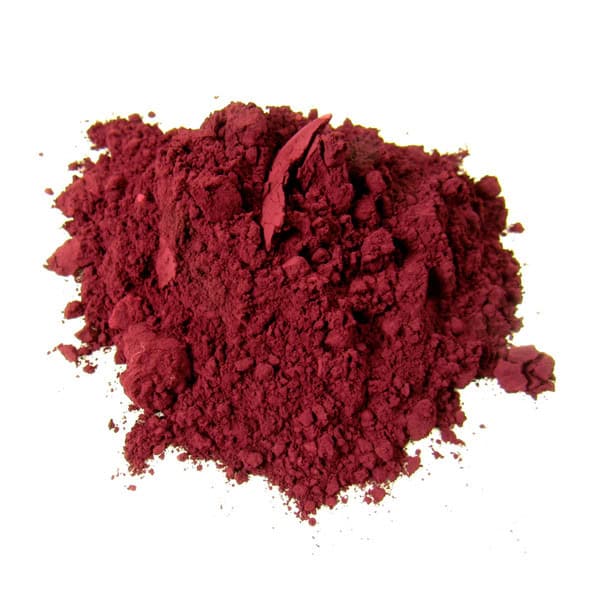
How To Dye With Extracts
A natural dye extract is a highly concentrated, ready‑to‑use form of a natural dye where the colorant has already been pulled out of the plant, insect, or mineral and then usually dried into a powder or made into a liquid concentrate. You typically just dissolve the extract in water (often fully soluble, nothing to strain) and use a much smaller weight of dye per weight of fiber than you would with whole dyestuff.
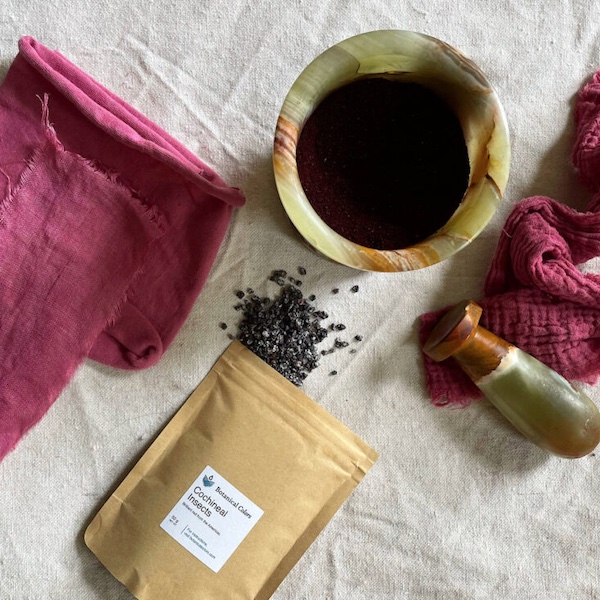
How to Dye with Raw Dyestuffs
Different raw materials require different techniques. See our how tos for specific raw dye materials below. These dyes come chopped, broken, or in the whole form of the plant.

How To Dye with our Liquid Natural Dyes
Our liquid dye instructions will help explain how to use Aquarelle and other liquid dyes. These dyes are convenient, easy to use, and produce beautiful, harmonious colors. Each dye comes from a leaf, root, bark or other natural source and has been used for generations by cultures all over the world.