10 Tannins That Don’t Need a Mordant

There are so many mordant variations and we urge you to experiment and find the one that works best for you. If you’re not familiar with the term, mordanting is the most important process of preparing fibers to accept color. Mordanting prepares fibers to bond with natural dyes and is typically a separate immersion bath for the fibers. Many natural dyes require the use of a mordant to achieve the most durable and long lasting colors. Though you might start with the tried and true aluminum mordants, consider trying tannin-rich extracts that not only offer a base color, they prep … Read more
MORDANT MONDAY: What Mordant For Viscose?

YOU ASKED: I received some organic bamboo pillowcases that I would like to bundle dye. Per their website they are crafted from 100% viscose from organically-grown bamboo. Does viscose take color? If so, what is the best mordant to use to get the most vibrant and long-lasting bundle dyeing color? KATHY ANSWERED: Natural dyes work well with viscose, which is the name typically used for fibers extruded from cellulose material, such as bamboo and wood products using a chemical process. It’s sometimes referred to as “rayon” and can contain a number of difference cellulose bases. If you are planning to bundle dye, … Read more

Aquarelle Liquid Indigo - Saxon Blue

MORDANT MONDAY: Mordant With Liquid Dye + Reusing Baths

For this Mordant Monday – We bring you a question about our Saxon Blue Liquid Indigo! YOU ASKED: Should I mordant (alum is my go to) for your liquid dye indigo? I have read that it is not a needed step but also don’t want to dye without alum and make a big mistake. Hoping you can clarify please!! KATHY ANSWERED: Thanks for your email and the question.  The liquid indigo, also called Saxon Blue, was developed in the 1700s to dye wool. We recommend that you mordant and alum is perfect prior to dyeing, and you can also add … Read more

Harmonious and Humongous Color…

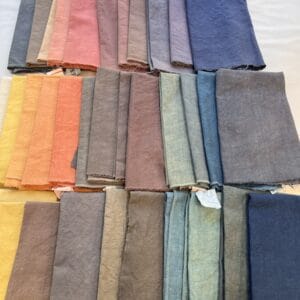
Above: each row represents a rainbow that the teams dyed. From top to bottom: Gallo Tannin, Cutch and Myrobalan I just returned from a 5 day workshop at Sanborn Mills Farm, a favorite place to teach natural dye classes. They cultivate a full dye garden just steps away from the dye studio, and the entire farm, animals, historical buildings, teaching facilities and workshops are endlessly inspiring. My workshop started out with a challenging, but modest proposition that we work in three teams and create 12 colors for each team, 36 colors total. Each group chose a palette and we got … Read more

MORDANT MONDAY: Indigo & Discharging Mordants

Mordant Monday is our Monday blog where we provide information about the most important step in natural dyeing! We were feeling the Indigo fever after Britt Boles workshop – Fresh Indigo Five ways, so we revived (no indigo pun intended) this Mordant Monday about Indigo & discharging mordants. YOU ASKED: My question involves the processes of indigo dyeing when combined with other plant dyes that have been mordanted with aluminum acetate. My understanding is that citric acid discharges the mordant and also neutralizes the alkalinity of indigo as a last step in finishing indigo dyed cloth. How would you go … Read more

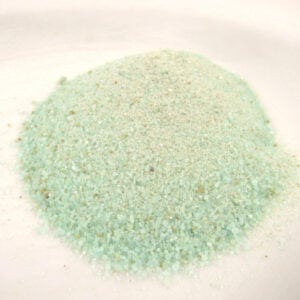
Iron( ferrous sulfate)

MORDANT MONDAY: Iron + Mordant = A “Weird Feeling”…

This post is a great question we resurfaced to answer some much needed clarification on iron! YOU ASKED: I bought iron from you guys to use to dye some wool fabric. I used it in a dye bath with coffee. I used your alum to mordant prior to dyeing in advance. I’m concerned I let the fabric sit too long in the coffee + iron bath because it now has a sort of weird feeling to it, almost a coating on it. Curious if there is a way to remedy this? KATHY ANSWERED: Sometimes too much alum can change the … Read more

Organic Soybeans

MORDANT MONDAY: Is Soy Milk a Mordant?

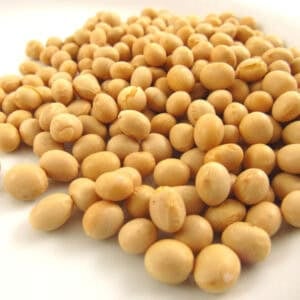
We get mordant questions all the time at Botanical Colors so why not create Mordant Monday??? Got mordanting questions? Email [email protected] YOU ASKED: I am working with earth pigments specifically clay. I am trying to wrap my head around the use of soy as a binder/mordant. Is a coating of soy necessary as an initial application? Then using pigment. Mixed with soy as design than a coating of soy over the whole dried material? Or what?? KATHY ANSWERED: Soy is used as a binder, a “glue” really, to attach clay and earth pigments to a fabric surface. It is not … Read more

Sunday Visit: The Wonderful World of Debbie Maddy

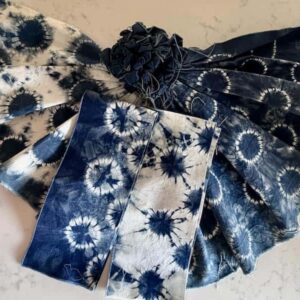
Sunday Visit welcomes shibori artist and designer Debbie Maddy of Tiori Designs, whose work has helped bridge the gap between traditional Japanese resist techniques and the contemporary quilt and surface design communities. In her upcoming workshop, Beyond the Basics of Shibori: Stitched Resist and Indigo, Debbie invites students already comfortable with indigo and introductory resists to step deeper into thoughtful stitched patterning, layered motifs, and more intentional collaboration with the vat. Over the course of the class, participants will explore complex stitched designs, refined folding strategies, and multiple dips in indigo to create richly patterned cloth that can move into … Read more

MORDANT MONDAY: Weighing Fabric For Mordanting

We get mordant questions all the time at Botanical Colors so why not create Mordant Monday??? YOU ASKED: I’ve been weighing fabric before and after mordanting lately and noticed that the WOF changes slightly. For the recipes on the site, which weight is relevant for WOF? Post-scour, pre-mordant OR post-scour, post-mordant? KATHY ANSWERED: Our practice is to weigh the fabric prior to scouring and mordanting, so before we start any process on the fabrics. It is the first thing that we do so we can calculate the rest of our formulas during the dye process. YOU ASKED: I basically work 9-5 … Read more

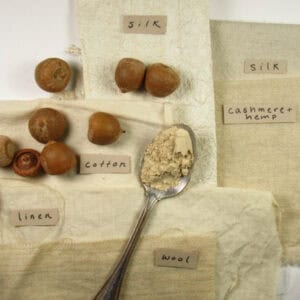
acorns and a spoon of tan powder on pale fabrics

MORDANT MONDAY: Which Plants Need Mordant?

We get mordant questions all the time at Botanical Colors so why not create Mordant Monday??? You Asked: I keep getting mixed answers from people about dyeing with plants from my yard and whether I need to mordant or not when using them. Advice? Kathy Answered! I think some of the confusion arises over what plant we’re talking about. Many plants contain high levels of tannins and these can be used to mordant and dye in one step, rather than using the traditional mordant method with aluminum sulfate or aluminum acetate. Traditional tannin mordants include: Common garden and kitchen tannins … Read more