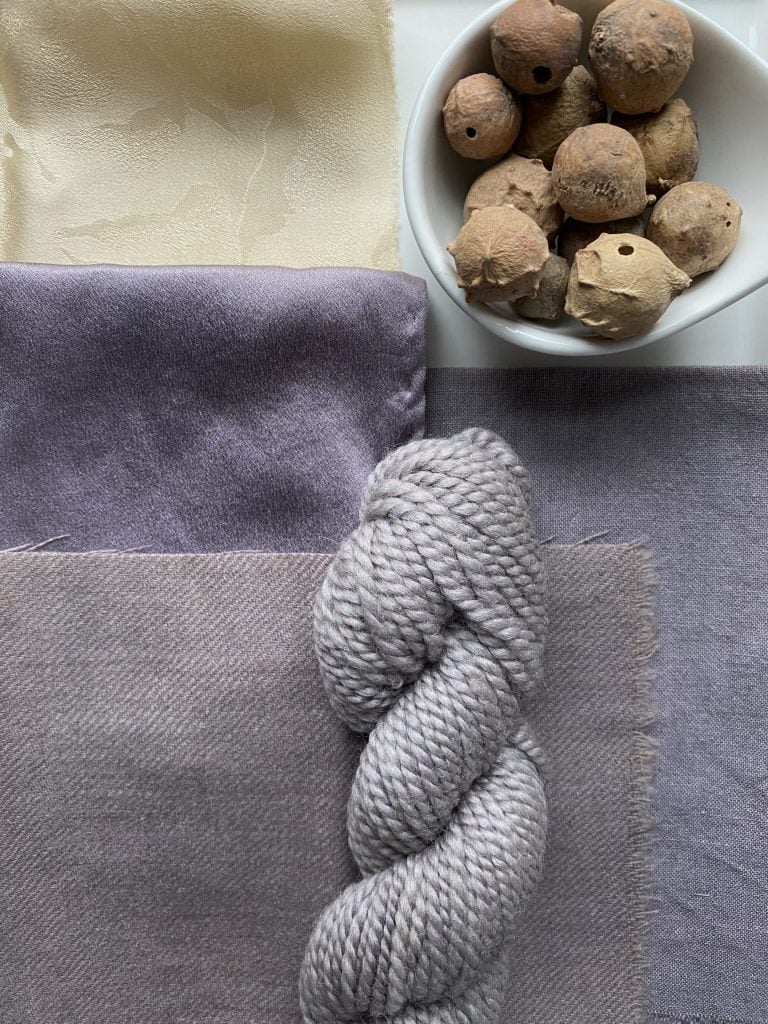
Medieval Oak Gall Ink Recipe
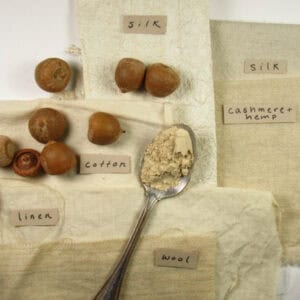
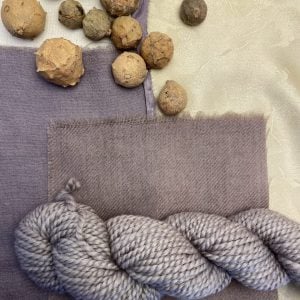
Oak gall ink, also known as iron gall ink, is one of the oldest writing inks in the Western world, used in manuscripts, letters, and botanical drawings for centuries. In this Mordant Monday, we’re exploring a simple medieval‑style recipe you can make at home with our gallo tannin, oak galls or ground oak galls.
Ingredients
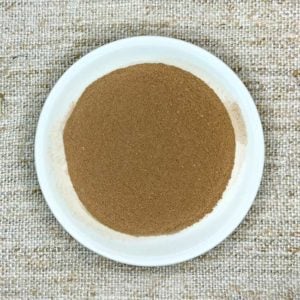
- 15 g Botanical Colors oak gall powder or 10 g Botanical Colors gallo tannin
- 25 g gum arabic
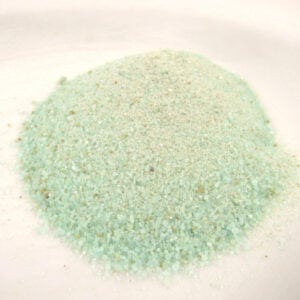
- 15–20 g iron sulfate
- 250 ml soft or rain water
- Optional: a splash of wine or vinegar to gently acidify
- Optional: a clove or a drop of clove/thyme essential oil as a preservative
Instructions
- Add the oak gall powder or gallo tannin to a non‑reactive jar or pot, then pour in the water (and a splash of wine or vinegar, if using).
- Stir well and either gently simmer for 20–30 minutes or allow to steep at room temperature for 12–24 hours, until the liquid is a strong, dark tea.
- Strain through a fine cloth or coffee filter to remove any remaining particles and return the liquid to a clean jar.
- Stir in the iron sulfate until fully dissolved; the liquid will quickly darken as the iron reacts with the tannins.
- Add the gum arabic and stir or shake until dissolved to thicken the ink and improve its flow.
- Let the ink rest for a day, then test it with a dip pen. For more body, add a bit more gum arabic; for a deeper tone, add a small additional amount of iron solution.
- Bottle in small, well‑sealed jars and store in a cool, dark place. Shake gently before each use.
Usage and Safety Notes
- Oak gall ink goes down lighter and deepens as it oxidizes, shifting toward a rich blue‑black line.
- Use on good‑quality, archival paper; iron gall inks can be slightly acidic and may etch into very thin or low‑quality paper over time.
- Wear gloves when handling iron sulfate and keep all ingredients out of reach of children and pets.
- If you’re gathering your own galls in addition to using the powder, harvest sparingly and leave plenty behind for insects, birds, and the wider ecology.
A Historical Note
Medieval scribes relied on oak gall ink for everything from illuminated manuscripts to everyday records, valuing its permanence, intensity, and resistance to fading. By working with oak gall powder and gallo tannin, you’re tapping into that same long lineage of ink‑making, translating a centuries‑old formula into a studio‑friendly practice that pairs beautifully with naturally dyed papers and textile installations.