





Online Workshop: Fresh Indigo Five Ways – Blender, Salt, Tataki-Zome and More!
$150.00
In stock
Description
Online Workshop: Fresh Indigo Five Ways
taught by Brittany Boles, Seaspell Fiber
July 18, 2026 from 10-1PM Pacific
The workshop will be recorded and available to view until September 1, 2026
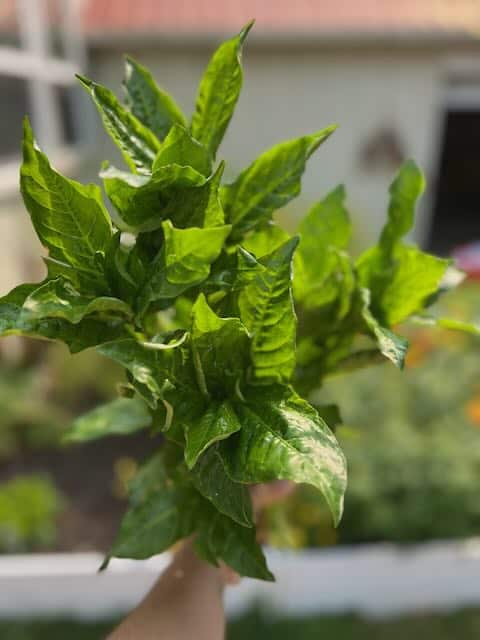
We are excited to host Brittany Boles of Seaspell Fiber for an online workshop using fresh leaf indigo (Persicaria tinctoria) and an array of techniques to get the most color out of your precious indigo crop. Britt is a wonderful instructor and we’re honored to work with her again and offer this workshop. This is our most popular indigo workshop as many people grow Japanese indigo and are looking for ways to capture the beautiful, elusive color.
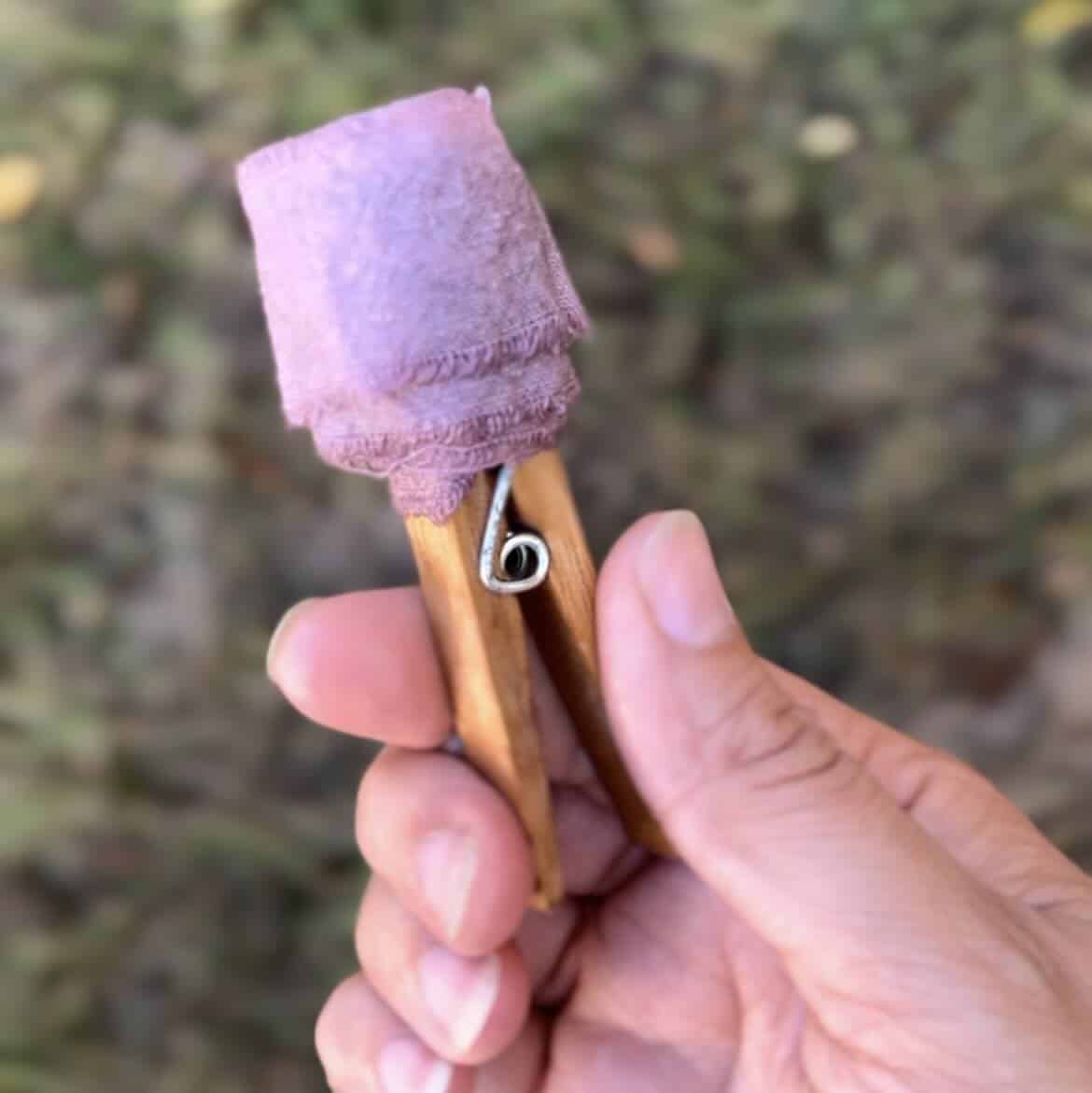
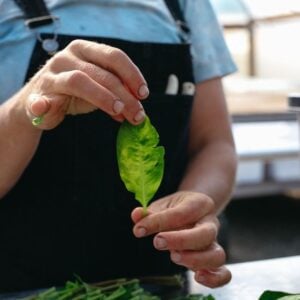
Do you have a Japanese Indigo (Persicaria tinctoria) patch and aren’t quite sure what to do with it? Brittany Boles has suggestions for using the fresh leaf in a number of ways to extract beautiful colors including a lovely violet from the fresh plants. She experiments with various fibers and techniques that you can try with your own indigo!
What to expect from Fresh Indigo Five Ways:
Fresh Indigo Five Ways Workshop features information about cultivation and fresh dyeing techniques with Japanese Indigo/Persicaria tinctoria. Join Britt Boles of Seaspell Fiber, Indigofest, and creator of the global network Indigo Pigment Extraction Methods, for a comprehensive Live online workshop with our dye garden’s favorite blue. Japanese Indigo is an excellent project for creatives both new and experienced to gardening & naturally dyeing alike.
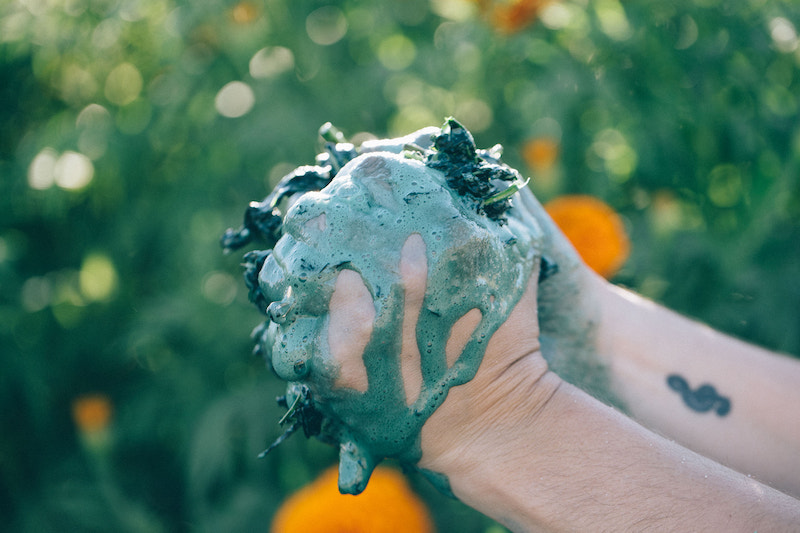
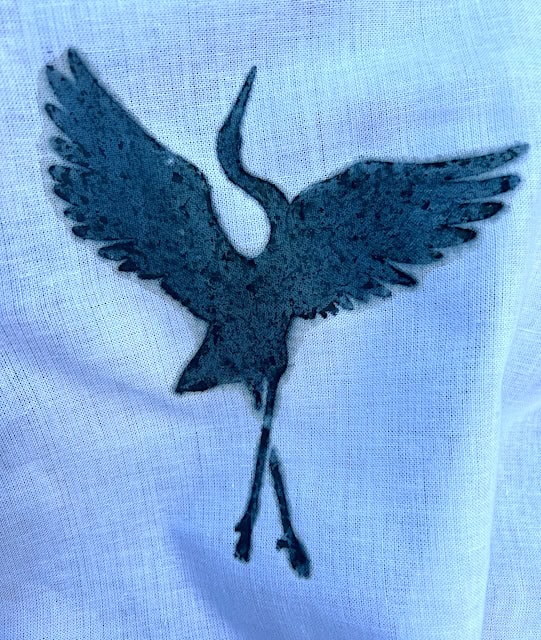
Online Live demonstrations & Q&A will walk you through each technique step by step. Learn 5+ techniques for utilizing your fresh indigo plants, no vat necessary. Minimal tools and minimal processing but maximum potential for a range of fresh blues and even indirubin purples. We’ll cover: Salt mash method, blender method, tataki-zome method, stenciling with fresh leaves and soy on cellulose techniques. You’ll also receive Britt’s indigo growing guide and printable pdfs with techniques, materials list, and resources. Links for Live zoom sessions will be emailed prior to each class and a recording for each unit will be available post-class til September 1st 2026.
How do I get started?
Download Britt’s Japanese Indigo Growing Guide after purchase.
I’m growing indigo this year. How many indigo plants do I need to grow?
Britt recommends 3- 5 large pots or a 3×6 garden bed and to start a minimum of 50 Persicaria Tinctoria/Japanese Indigo seeds or more if desired. Japanese Indigo thrives in groupings of 5-7 seedlings, no thinning required with a tight spacing of 6 inches between groupings once transplanted. This frost-sensitive annual is a cut-and-come-again plant, offering many opportunities to experiment throughout the growing season.
What about other species of indigo? (Indigoferas, woad, etc.)
While this workshop’s focus is tailored specifically to Persicaria Tinctoria/Japanese Indigo, many of the techniques demonstrated apply to other indigo-bearing species as well.
Need seeds? Find Britt’s indigo seed seller list Here.
Scholarships
Scholarships are available for this workshop. Please apply here. We will review and award the scholarships by February 22, 2026.
Workshop Details
Who is this class for? This class is for all growers from a few potted plants to backyard plots to large scale farmers of Persicaria tinctoria (Japanese Indigo). Feel free to relax and view class as lecture style, but if you’d like to learn along live, you’ll need access to fresh plants. Britt recommends 5-10 Persicaria tinctoria indigo plants for the best experience.
My plants aren’t ready yet! Relax and watch the live workshop and then review the video when your plants are ready. However, if you want to follow along with Britt live, keep reading. If you have already started Japanese indigo this year, your plants should be ready to harvest in July. If you haven’t started your seeds yet, start them now. If you don’t have seeds, check online now for companies offering seeds or seedlings and get them in the ground or into a pot.
What if I can’t attend the live portion of the workshop? The workshop will be recorded and available until September 1, 2026. You will be sent the access link to view the video. Download the resource PDF that accompanies this online workshop.
Participation guidelines The purchase of this online workshop and document download is for 1 person and the link to the recorded video is for the purchaser’s use only. Please respect the artist’s expertise and generosity and don’t share or distribute her material or content without express written permission from both Brittany Boles of Seaspell Fiber and Botanical Colors. We appreciate your cooperation.
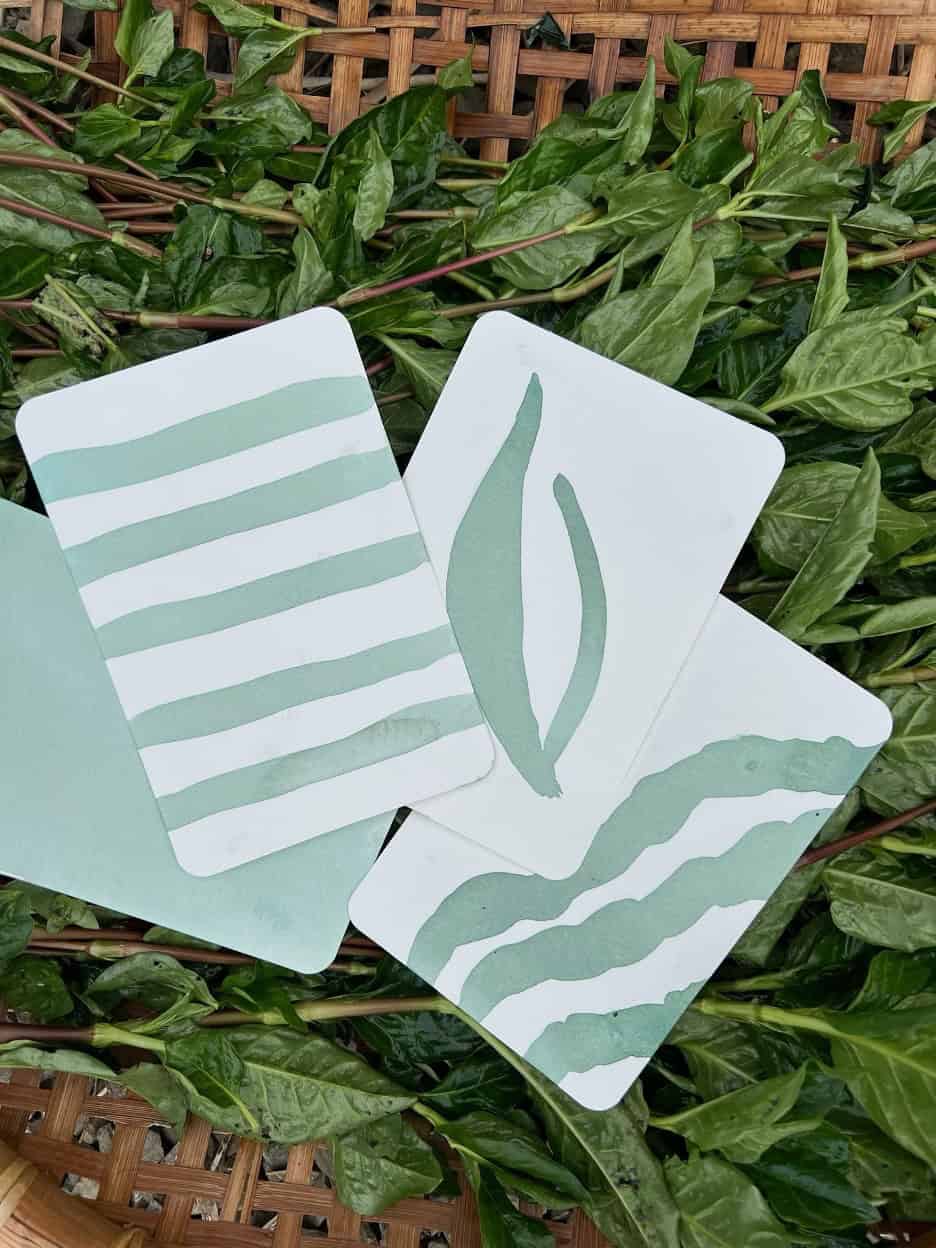
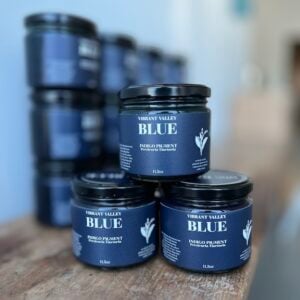
What will we create? We’ll dive into seafoam blender blues, turquoise salt mash, and Tataki-zome leaf prints. Three hands-on applications for the freshest alive blue hues…and a bonus! indirubin-pickled Indigo (left over salt mash), fresh overdye over other garden colors, and fresh lake making (with leftover blender liquid). We’ll also try out Vibrant Valley Blue Indigo Paste as a pigment to use for saturated painting and printing.
Supply list when you are ready to get started
Approximately 5-10 Persicaria tinctoria Japanese Indigo plants
Journal/notebook & pen
Blender
Scissors
Salt
Large bowl
Hammer, mallet, or a palm-sized smooth rock
Small bucket
Various scoured protein fibers(silk, wool or blends) and cellulose fibers(cotton, hemp, linen, bamboo, etc.)- small/sample size pieces- some dry and some wetted out. Visit our How To page for scouring information
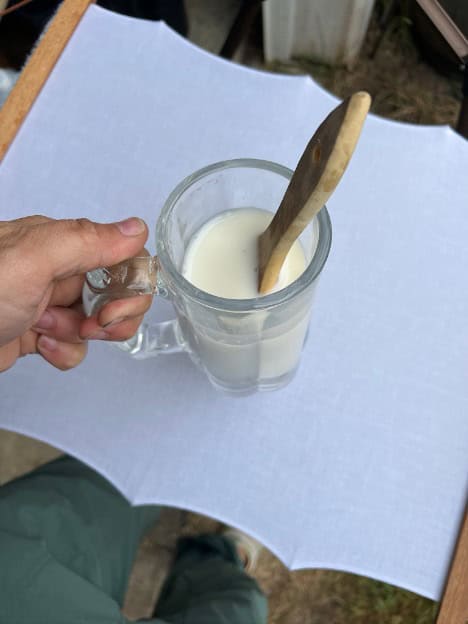
Soy beans (soaked and made into fresh soymilk) or plain, premade commercial soymilk.
Muslin, cheesecloth, or elastic paint strainer bag
Rubber band/string
Ice/icepacks
Water
Optional:
Gloves(if you don’t want stained hands and/or to avoid getting salt in any papercuts;)
Mason jar with lid
Watercolor paper/brush
About Brittany Boles:
About your instructor: For a decade, Britt has dedicated her practice to indigo plant processing both in the home garden and in partnership with local farms on the Oregon Coast as a row crop. This course will cover 5 processes suitable for all levels and in all growing regions. Native to most of Asia, Persicaria Tinctoria is a successful annual grown globally in high tunnels in Norway to farms on the southernmost tip of Chile and everywhere in between.
Only logged in customers who have purchased this product may leave a review.

Reviews
There are no reviews yet.