MORDANT MONDAY: What Mordant For Viscose?

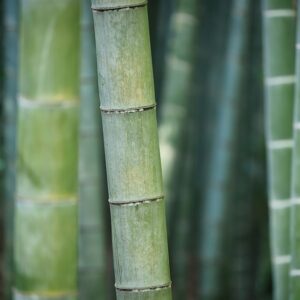
YOU ASKED: I received some organic bamboo pillowcases that I would like to bundle dye. Per their website they are crafted from 100% viscose from organically-grown bamboo. Does viscose take color? If so, what is the best mordant to use to get the most vibrant and long-lasting bundle dyeing color? KATHY ANSWERED: Natural dyes work well with viscose, which is the name typically used for fibers extruded from cellulose material, such as bamboo and wood products using a chemical process. It’s sometimes referred to as “rayon” and can contain a number of difference cellulose bases. If you are planning to bundle dye, … Read more

MORDANT MONDAY: Indigo & Discharging Mordants

Mordant Monday is our Monday blog where we provide information about the most important step in natural dyeing! We were feeling the Indigo fever after Britt Boles workshop – Fresh Indigo Five ways, so we revived (no indigo pun intended) this Mordant Monday about Indigo & discharging mordants. YOU ASKED: My question involves the processes of indigo dyeing when combined with other plant dyes that have been mordanted with aluminum acetate. My understanding is that citric acid discharges the mordant and also neutralizes the alkalinity of indigo as a last step in finishing indigo dyed cloth. How would you go … Read more

Iron( ferrous sulfate)

MORDANT MONDAY: Iron + Mordant = A “Weird Feeling”…

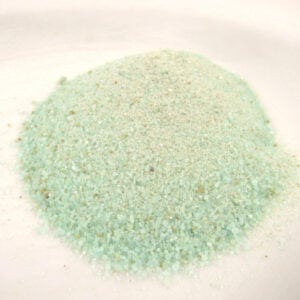
This post is a great question we resurfaced to answer some much needed clarification on iron! YOU ASKED: I bought iron from you guys to use to dye some wool fabric. I used it in a dye bath with coffee. I used your alum to mordant prior to dyeing in advance. I’m concerned I let the fabric sit too long in the coffee + iron bath because it now has a sort of weird feeling to it, almost a coating on it. Curious if there is a way to remedy this? KATHY ANSWERED: Sometimes too much alum can change the … Read more

Organic Soybeans

MORDANT MONDAY: Is Soy Milk a Mordant?

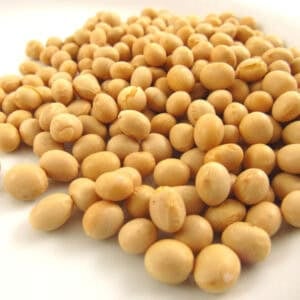
We get mordant questions all the time at Botanical Colors so why not create Mordant Monday??? Got mordanting questions? Email [email protected] YOU ASKED: I am working with earth pigments specifically clay. I am trying to wrap my head around the use of soy as a binder/mordant. Is a coating of soy necessary as an initial application? Then using pigment. Mixed with soy as design than a coating of soy over the whole dried material? Or what?? KATHY ANSWERED: Soy is used as a binder, a “glue” really, to attach clay and earth pigments to a fabric surface. It is not … Read more

acorns and a spoon of tan powder on pale fabrics

MORDANT MONDAY: Which Plants Need Mordant?

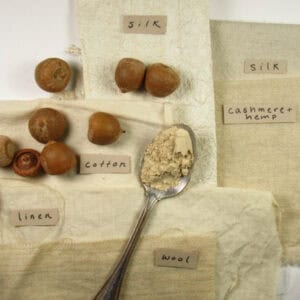
We get mordant questions all the time at Botanical Colors so why not create Mordant Monday??? You Asked: I keep getting mixed answers from people about dyeing with plants from my yard and whether I need to mordant or not when using them. Advice? Kathy Answered! I think some of the confusion arises over what plant we’re talking about. Many plants contain high levels of tannins and these can be used to mordant and dye in one step, rather than using the traditional mordant method with aluminum sulfate or aluminum acetate. Traditional tannin mordants include: Common garden and kitchen tannins … Read more

MORDANT MONDAY: Mixing Mordants

We get mordant questions all the time at Botanical Colors so why not create Mordant Monday??? YOU ASKED: I’m just trying out your new cold mordant aluminum triformate and have mordanted wool, bamboo and cotton After applying tannin to the cellulose I dropped it into the aluminum triformate together with the wool, and the water changed to green. I guess it’s due to the connection between tannin and aluminum? But am I doing something wrong and are the textiles fine for dyeing now? I want to save the mordant bath for further use but now it has a suspicious color. … Read more

Mordant Monday: In the clutches of Cutch Dye

Cutch Dye This week’s Mordant Monday explores another well known and important tannin: Cutch. Cutch is a wood dye from Senegalia catechu (formerly Acacia catechu), an acacia species that grows in South and Southeast Asia. The dye is both a colorant, and a traditional medicine. It is also the by-product from the manufacture of “katha”, which is a crystalline substance that is an ingredient in paan or betel nut leaf, which is an Indian mouth freshener and digestive. We’ve never tried paan, but we love cutch for its versatility and deep colors. It’s a sweet-smelling dye and the color yield … Read more

Mordant Monday: Why so Many Alums?

For today’s Mordant Monday, We are revisiting a great question: All those alums?! Why so many alums? You Asked: Hello, I am wondering if it is possible to use Ammonium Aluminum Sulfate for mordanting wool? I am finding this substance in the spice section ofthe grocery store. I can’t seem to find definitive information about this and I feel confused about all the different “alums” that exist.  We answered: The different alum types are basically the same mineral but they are refined differently for different purposes using a variety of chemicals. They can look different, too. For protein fibers, aluminum … Read more

MORDANT MONDAY: Can A Cold Water Mordant Deepen Colors?

We get mordant questions all the time at Botanical Colors so why not create Mordant Monday??? Got mordanting questions? Email [email protected] YOU ASKED: I recently purchased some aluminum triformate from you all.  I tried the aluminum triformate using it at 10% WOF hoping to get the strongest results possible. So far I have only the aluminum sulfate to compare it to.  It seems the aluminum sulfate samples are much darker, especially the reds, although I am not finished with all the colors.   I am wondering if this is typically the case? Is there anything you would suggest to coax … Read more

MORDANT MONDAY: To Mordant Or Not To Mordant + Disposing Of Mordant Baths

We get mordant questions all the time at Botanical Colors so why not create Mordant Monday??? Got mordanting questions? Email [email protected] What is Mordanting? Mordanting is the most important process of preparing fibers to accept color. Using a mordant helps to ensure the most durable and long-lasting colors. With the exception of indigo (as a vat dye, it does not require a mordant), this is not an optional step. However, there are many different mordants you can use. Deciding which mordant to use comes down to the types of fibers you want to dye and how much time or energy … Read more