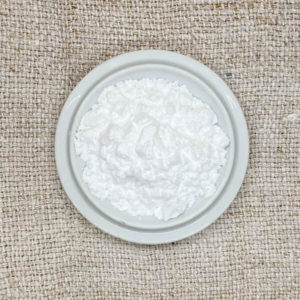
Symplocos

MORDANT MONDAY: Symplocos Mordant + Prepping Paper

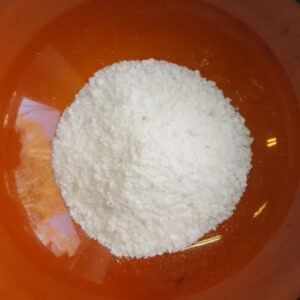
We get mordant questions all the time at Botanical Colors so why not create Mordant Monday??? Got mordanting questions? Email [email protected] YOU ASKED: I have looked over the symplocos mordanting instructions that you have on the Botanical Colors website and I see that there is an “Oiling the Fabric” step for cellulose fabrics that we did not use in the workshop. I am wondering how important that step is in creating a fairly lightfast and colorfast final fabric? I really love some of the colors we got in class on cotton using symplocos mordant and sappanwood and would like to use … Read more

MORDANT MONDAY: Will Mordant Wash Out Without Tannin?

We get mordant questions all the time at Botanical Colors so why not create Mordant Monday??? Got mordanting questions? Email [email protected] YOU ASKED: I have been contacting a well-published natural dyer and they say that the aluminum mordants will be washed out of the fiber without pre-treatment with tannin. Do you have any theory why the triformate is able to mordant without a tannin ? Have you got any data on the wash and light fastness of the triformate on cotton? KATHY ANSWERED: Alum on cellulose performs better with a tannin pre-treatment. However, we have not noticed that the mordant … Read more

MORDANT MONDAY: What’s The Most Lightfast Mordant?

We get mordant questions all the time at Botanical Colors so why not create Mordant Monday??? Got mordanting questions? Email [email protected] YOU ASKED: My mordant steps for cellulose fabrics after scouring are:1. Tannin powder solution overnight2. Aluminum acetate overnight3. Calcium carbonate 15-30 minutesIf I am using alum acetate instead of alum sulfate, do I still need the tannin pre-soak step? I always thought alum acetate was the recommended alum for cellulose and alum sulfate for animal fibers.Do they work equally well or is alum acetate still the best cellulose mordant? KATHY ANSWERED: Tannin is always a great bonus to any … Read more

Aluminum Sulfate

MORDANT MONDAY: Penny Circles + Mordanting Wool

We get mordant questions all the time at Botanical Colors so why not create Mordant Monday??? Got mordanting questions? Email [email protected] YOU ASKED: I am looking for something to dye 100% wool. I mostly eco dye and not familiar with dyeing wool. I’d like to do several colors to make penny circles. I have a whole bolt of the wool. Can you recommend something for color and mordant? (My wool has been scoured.) KATHY ANSWERED: Since penny circles are fairly small, you have a lot of options to make some lovely color combinations. A small amount of fabric – something … Read more

Video From FEEDBACK FRIDAY: Terroir of Color

This week on FEEDBACK FRIDAY, we talked with Cara Marie Piazza on the terroir of color. How can we create natural dye solutions based on locality and the terroir of color while maintaining the integrity of the plant? Have you ever thought about local color where YOU live? Watch the recording here. Cara’s info: Website Instagram Cara’s Illustrative Play Time: Painting with Tea Paints, Egg Tempera and Natural Dyes workshop Cara Marie Piazza’s Amazing Ice Dye Bundle Kit! RECORDING: Ice Dyeing Workshop with Cara Marie Piazza About Cara: Besides being the newest member of our Botanical Colors team, Brooklyn-based Cara … Read more

MORDANT MONDAY: Is It The Mordant Or The Cochineal?

We get mordant questions all the time at Botanical Colors so why not create Mordant Monday??? Got mordanting questions? Email [email protected] YOU ASKED: I am a junior Fashion Design student. I am currently working on a project where I am trying to dye cotton yarn with cochineal. I have followed the cochineal instructions on trying to achieve a bright red color however when I take out the yarn from the dye water it begins to turn black. What should I do in order to keep the bright red color on the yarn? KATHY ANSWERED: Can you take a picture of … Read more

MORDANT MONDAY: Alum Sulfate & Acid-Loving Ornamentals?

We get mordant questions all the time at Botanical Colors so why not create Mordant Monday??? Got mordanting questions? Email [email protected] What is Mordanting? Mordanting is the most important process of preparing fibers to accept color. Using a mordant helps to ensure the most durable and long-lasting colors. With the exception of indigo (as a vat dye, it does not require a mordant), this is not an optional step. However, there are many different mordants you can use. Deciding which mordant to use comes down to the types of fibers you want to dye and how much time or energy … Read more

MORDANT MONDAY: Mordanting Cotton & Freezing Clothes

We get mordant questions all the time at Botanical Colors so why not create Mordant Monday??? Got mordanting questions? Email [email protected] What is Mordanting? Mordanting is the most important process of preparing fibers to accept color. Using a mordant helps to ensure the most durable and long-lasting colors. With the exception of indigo (as a vat dye, it does not require a mordant), this is not an optional step. However, there are many different mordants you can use. Deciding which mordant to use comes down to the types of fibers you want to dye and how much time or energy … Read more

Video of Live Q&A For (New Cold Water Mordant) Aluminum Triformate

Check out our video recording and Q&A for our new cold water mordant Aluminum Triformate! Botanical Colors’ President Kathy Hattori took us on a one hour review on and demo using aluminum triformate. She showed show results of tests and experiments using the cold water mordant and answered lots of questions. Watch the recording here. Shop Aluminum Triformate here About: Aluminum triformate is a room temperature mordant for all natural fibers including wool, silk, cotton, hemp and linen. It also works on a gpL (grams per Liter) calculation or a weight of fiber (WOF) percentage and we’ve used it successfully with … Read more

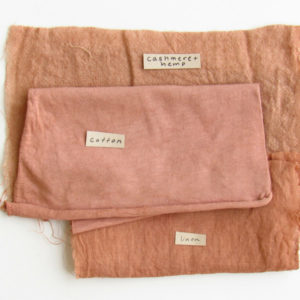
pale pink fabrics

RECIPE: A Coral Natural Dye Recipe To Sing You Into Spring

This is a Botanical Colors coral natural dye recipe for a classic, madder color in a soft salmon hue guaranteed to sing you into spring. Dyer’s notes: You can use the same coral natural dye recipe for animal or plant fibers. We recommend mordanting to achieve the best results. Your mordant options are aluminum potassium sulfate (for animal fibers), or aluminum acetate or symplocos (for plant fibers). Symplocos is an alum bioaccumulator from dried leaves and we’ve used it successfully on both animal and plant fibers. In its native Indonesia, it’s used mostly on plant fibers. Step 1 – Weigh … Read more