This week on FEEDBACK FRIDAY: When overdyeing indigo with weld, mordanting before or after?
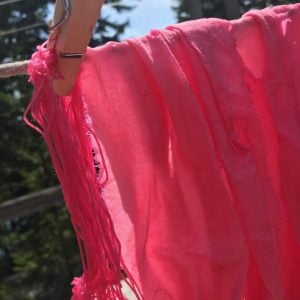
We get mordant questions all the time at Botanical Colors so why not create Mordant Monday??? Got mordanting questions? Email [email protected] YOU ASKED: I am sure you have received this question a bunch but I am curious, is the new cold water mordant Aluminum Triformate you are selling considered to be just as good as Aluminum Potassium Sulfate? Is it also considered to be just as “non toxic” as far as natural mordants go? KATHY ANSWERED: Aluminum triformate seems to work as reliably and well as Aluminum Potassium Sulfate. It is more acidic than APS, so we always rinse after … Read more
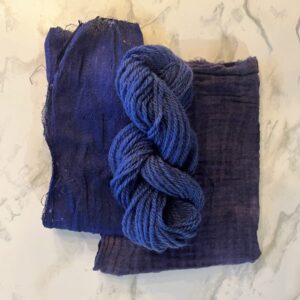
We get mordant questions all the time at Botanical Colors so why not create Mordant Monday??? Got mordanting questions? Email [email protected] YOU ASKED: I was pleased to see the color range of your sappanwood extract on your blog since those blue-violet to gray hues are what I’m trying to achieve. You compare the color fastness to logwood, and I know that logwood doesn’t take well to cotton. Will sappanwood work on a 85% cotton 15% cashmere blend yarn and what should I mordant with? KATHY ANSWERED: You can mordant with tannin and aluminum sulfate or aluminum triformate and symplocos to … Read more
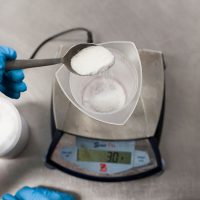
We get mordant questions all the time at Botanical Colors so why not create Mordant Monday??? Got mordanting questions? Email [email protected] What is Mordanting? Mordanting is the most important process of preparing fibers to accept color. Using a mordant helps to ensure the most durable and long-lasting colors. With the exception of indigo (as a vat dye, it does not require a mordant), this is not an optional step. However, there are many different mordants you can use. Deciding which mordant to use comes down to the types of fibers you want to dye and how much time or energy … Read more

We’ve put together this easy Mason jar method for solar dyeing! Use these tips all summer long for a fun, energy and water-saving way to create color! The jars featured here are filled with our fruitwood chips (apple, cherry and peach) and on sale until next week! Equipment and ingredients for the Mason jar method for solar dyeing: -1 wide-mouth, 32 ounce (1 quart) glass Mason Jar with lid. You can also use any heat-resistant large glass jar. If your fiber doesn’t fit easily into the jar, you can use a wide mouth 64 ounce (2 quart) jar or larger … Read more
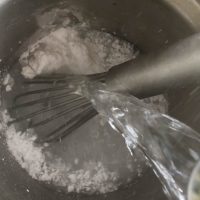
Mordanting and scouring should be at the top of your things-to-do list before natural dyeing. Botanical Colors Founder Kathy Hattori recently took on as many questions as was humanly possible to clarify the processes. Before reading, also please see our How-To Scour and How-To Mordant pages. Scouring Questions If I use untreated and unbleached fabric, is it a must to scour the fabric or is washing it enough? If you mean by “untreated” that it has never been scoured, then you should scour. If untreated and unbleached means it is also prepared for dyeing (PFD or RFD), then you can … Read more
For this Mordant Monday – We bring you a question about our Saxon Blue Liquid Indigo! YOU ASKED: Should I mordant (alum is my go to) for your liquid dye indigo? I have read that it is not a needed step but also don’t want to dye without alum and make a big mistake. Hoping you can clarify please!! KATHY ANSWERED: Thanks for your email and the question. The liquid indigo, also called Saxon Blue, was developed in the 1700s to dye wool. We recommend that you mordant and alum is perfect prior to dyeing, and you can also add … Read more
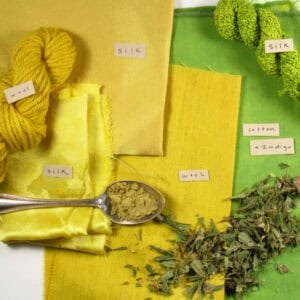
This week on FEEDBACK FRIDAY: When overdyeing indigo with weld, mordanting before or after?

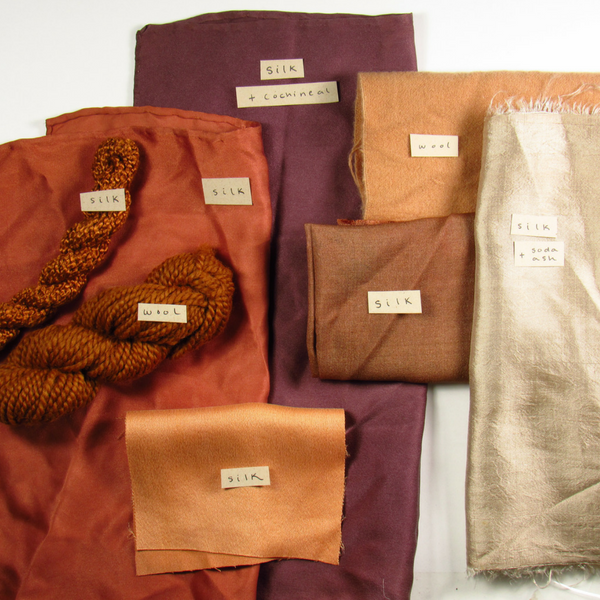
This week on FEEDBACK FRIDAY: How to channel the color of champagne on silk with a natural dye like cutch
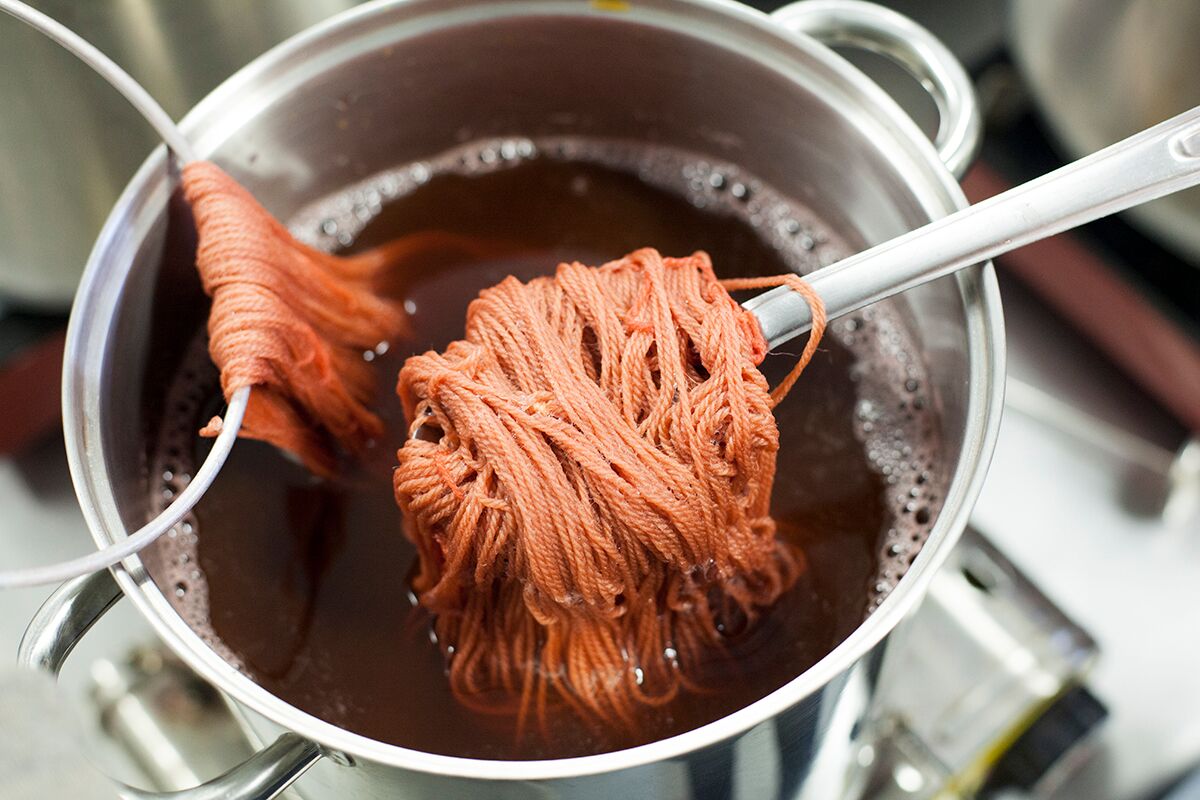
This week on FEEDBACK FRIDAY: Too much dye on yarn and which natural dye extracts can be used without mordanting?
Botanical Colors
Seattle, WA
© Botanical colors 2026