Free ground shipping on all domestic orders over $150

Skip to content
Botanical Colors
0
Botanical Colors
  • Shop
    • New Products
    • Natural Dyes
    • Natural Dye Extracts
    • Japanese Traditional Dyes
    • Liquid Natural Dyes
    • Raw Natural Dye Materials
    • Mordants and Assists
    • Fabrics and Dyeables
    • Kits
    • Books
    • Sale
  • Workshops & Events
    • Workshops & Online Classes
    • Event Calendar
    • Sustainable Team Building Events and Corporate Gifts
  • Dye Instructions
    • New To Natural Dyes?
    • Creating Color With Kathy Hattori
    • Recipes
    • CURATED COLOR : Indigo
    • How to Dye with Indigo
      • How to Make a 1-2-3 Fructose Indigo Vat
      • How to Make a 1-2-3 Iron Indigo Vat
      • How to Make a 1-2-3 Henna Indigo Vat
      • Frequently Asked Questions About Indigo
    • How to Scour
    • How to Mordant
      • How to Mordant with Aluminum Acetate
      • How to Mordant with Aluminum Potassium Sulfate
      • How to Mordant with Aluminum Sulfate
      • How to Mordant with Aluminum Triformate
      • How to Mordant with Symplocos
      • How to Mordant with Tannin and Alum
      • How to use Iron Powder (Ferrous Sulfate)
    • How to Dye with Natural Dye Extracts
    • How to Dye with Raw Materials
      • Cochineal Insect Instructions
      • Dye Flower Instructions
      • Dye Mushroom Instructions
      • Fruitwood Chips Instructions
      • Logwood Chip Instructions
      • Madder Root Instructions
      • Marigold Flower Instructions
      • Oak Gall Instructions
      • Onion Skin Instructions
      • Osage Orange Sawdust Instructions
      • Pericón Instructions
      • Pomegranate Peel Instructions
      • Rhubarb Root Instructions
      • Safflower Instructions
      • Sappanwood Sawdust Instructions
      • Walnut Powder Instructions
    • How to Dye With Liquid Natural Dyes
      • Frequently Asked Questions About Aquarelle Liquid Natural Dyes
    • How to use Print Paste Thickener
    • How to check pH
  • Our Journal
    • Mordant Monday
    • Sunday Visit
    • FEEDBACK FRIDAY Videos
  • About
    • About Us, What We Do
    • Our Dyehouse
    • General FAQs
    • Order and Shipping FAQs
    • Contact Us
0

SHOP OUR HOLIDAY SALE WITH CODE BFCM20%2026

holiday gift ideas

Natural Dye supplies

Classes & Education

our natural dyehouse

BROWSE OUR PRODUCTS

Natural Dyes

Shop

Mordants and Assists

Shop

Fabrics and Dyeables

Shop


The Latest from our blog

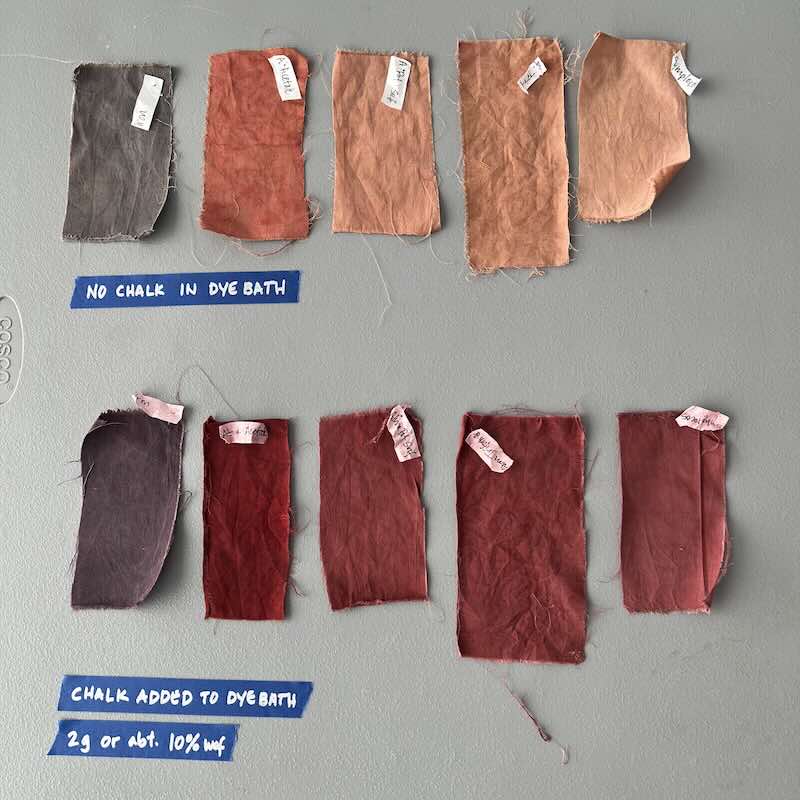
Mordant Monday: Chalk and Madder Experiment

November 16, 2026November 16, 2026

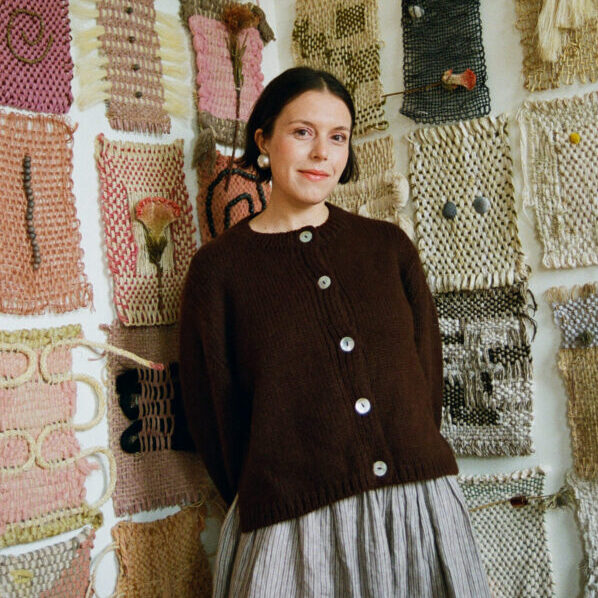
Sunday Visit: Drawing with Thread, A year at the loom with Jessie Mordine Young.

November 8, 2026November 8, 2026

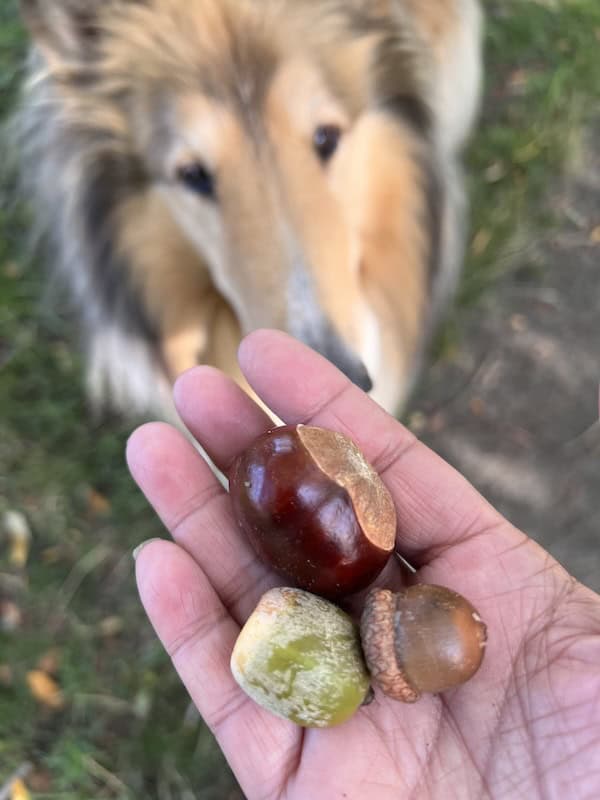
Foraging in the Fall

September 28, 2026September 28, 2026

You might also be interested in…

Our Mordanted Bandanas

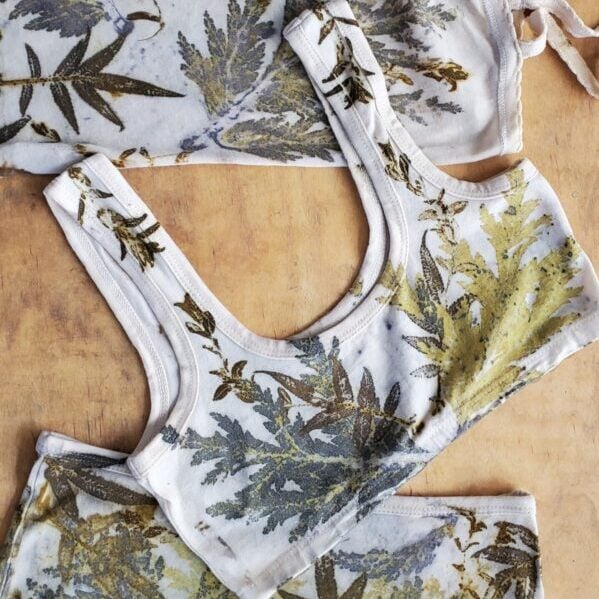
ONLINE RECORDING – Eco-Printing Deep Dive with Monica Medeiros of Brico Press

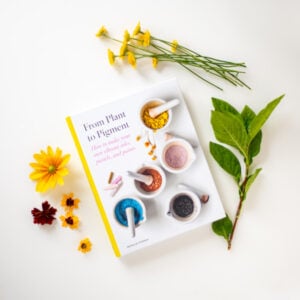
PLANT TO PIGMENT – By Natalie Stopka

botanicalcolors

Ancient dyes for modern times. Your resource for natural dyes, education and natural dye production.

This Thanksgiving we’re thankful for all of you. O This Thanksgiving we’re thankful for all of you. Our community of dye aficionados, enthusiasts, creatives and crafters. You’re what makes our world so colorful. We hope you are enjoying your day with loved ones. As a thank you we’ve started our sale early! Enjoy 20% off with code BFCM20%2026 at checkout on all items excluding those already on sale and certain workshops!

Pictured here are our restocked Traditional Japanese Dyes.
Holiday sales start now! Use code BFCM20%2026 at c Holiday sales start now! Use code BFCM20%2026 at check out for 20% off most items! The sale ends December 2nd!
A new pink colorway for our ready to dye Japanese A new pink colorway for our ready to dye Japanese Vintage Silk Kimonos. It's also a shorter length!

We have curated a collection of traditional vintage silk Japanese under kimono that are perfect for at-home loungewear and ready for your creativity. They are suitable for indigo, eco-printing, surface design, or immersion dyeing. They are gently washed and mordanted with aluminum potassium sulfate, then steam-pressed.

Each garment is handmade and unique, and they were worn underneath a formal silk kimono. Some of the garments are the classic Japanese crepe weave called chirimen, others are a jacquard weave depicting flowers, clouds, water, or abstract designs. These designs are white on white, and the background color ranges from a creamy white to a very light coral pink or peach. Some of them have hand-painted blossoms or faint pastel shibori patterns on them.
Kihada Japanese dye Kihada is a traditional yello Kihada Japanese dye

Kihada is a traditional yellow color from the inner bark of the Amur Cork tree, and used since ancient times to create a brilliant bright yellow, gold, moss and olive green shades.  When top dyed over indigo, it yields a leaf green. The inner bark contains a yellow dye called berberine used since ancient times as an anti-microbial, a traditional medicine, and the wood is used for string instruments. It is also believed to have insect-repellent properties and has been used for Japanese paper as it is believed that the color repels insects. We love its brilliant color!

New larger 100g size! Sold in a 100g resealable pouch.
Follow on Instagram
JOIN OUR NEWSLETTER

Botanical Colors
Seattle, WA

© Botanical colors 2026

Web Development by Two Loon Software

Shop | Learn | About Us | Employment | Contact Us

Privacy Policy | Terms & Conditions

  • Shop
    • New Products
    • Natural Dyes
    • Natural Dye Extracts
    • Japanese Traditional Dyes
    • Liquid Natural Dyes
    • Raw Natural Dye Materials
    • Mordants and Assists
    • Fabrics and Dyeables
    • Kits
    • Books
    • Sale
  • Workshops & Events
    • Workshops & Online Classes
    • Event Calendar
    • Sustainable Team Building Events and Corporate Gifts
  • Dye Instructions
    • New To Natural Dyes?
    • Creating Color With Kathy Hattori
    • Recipes
    • CURATED COLOR : Indigo
    • How to Dye with Indigo
      • How to Make a 1-2-3 Fructose Indigo Vat
      • How to Make a 1-2-3 Iron Indigo Vat
      • How to Make a 1-2-3 Henna Indigo Vat
      • Frequently Asked Questions About Indigo
    • How to Scour
    • How to Mordant
      • How to Mordant with Aluminum Acetate
      • How to Mordant with Aluminum Potassium Sulfate
      • How to Mordant with Aluminum Sulfate
      • How to Mordant with Aluminum Triformate
      • How to Mordant with Symplocos
      • How to Mordant with Tannin and Alum
      • How to use Iron Powder (Ferrous Sulfate)
    • How to Dye with Natural Dye Extracts
    • How to Dye with Raw Materials
      • Cochineal Insect Instructions
      • Dye Flower Instructions
      • Dye Mushroom Instructions
      • Fruitwood Chips Instructions
      • Logwood Chip Instructions
      • Madder Root Instructions
      • Marigold Flower Instructions
      • Oak Gall Instructions
      • Onion Skin Instructions
      • Osage Orange Sawdust Instructions
      • Pericón Instructions
      • Pomegranate Peel Instructions
      • Rhubarb Root Instructions
      • Safflower Instructions
      • Sappanwood Sawdust Instructions
      • Walnut Powder Instructions
    • How to Dye With Liquid Natural Dyes
      • Frequently Asked Questions About Aquarelle Liquid Natural Dyes
    • How to use Print Paste Thickener
    • How to check pH
  • Our Journal
    • Mordant Monday
    • Sunday Visit
    • FEEDBACK FRIDAY Videos
  • About
    • About Us, What We Do
    • Our Dyehouse
    • General FAQs
    • Order and Shipping FAQs
    • Contact Us