Mordant Monday: A Feedback Friday Rerun!

Today for Mordant Monday we thought we would bring a classic back from the vault and highlight one of our YouTube videos where Kathy answers your mordanting Questions! Have fun with our video below. Don’t forget to Like, Comment & Subscribe! See Amy’s original post below: This week: Weeks worth of mordanting questions melded into one FEEDBACK FRIDAY! Watch here.
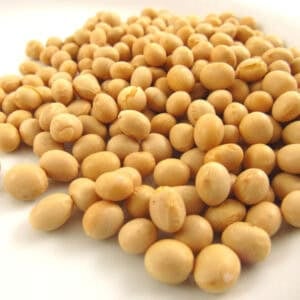
Organic Soybeans

Soymilk as a Printing Binder for Mordant Monday

Soymilk as a printing binder In today’s Mordant Monday (excuse the awful pun – I found it online), we check out how to use soy as a binder for natural dyes and pigments. Before the widespread use of acrylic paints and mediums, artists had ingredients from the natural world to use for painting and printing on paper and canvas. They used a wide range of natural binders including tree sap, milk, egg, oils, minerals and other substances that helped pigments stay attached to substrates. In Japan, soybeans are the most common binder for textile work, and it serves as a … Read more

Mordant Monday: A Great Red with Madder Extract

My notes on how to make a great red. Madder extract is the perfect ingredient for a beautiful, vibrant red that almost glows because it has a gorgeous golden undertone. Sometimes the color veers toward a winey burgundy (equally beautiful), but I wanted to get almost a glowing ember feel to this yarn. To so this, I used a little bit less madder and the minimum amount of calcium carbonate. Here’s how I did it. Materials Instructions Where’s the Cream of Tartar? Cream of tartar is a great mordant additive for dyeing as it helps keep wool soft and assists … Read more

Mordant Monday: Why so Many Alums?

For today’s Mordant Monday, We are revisiting a great question: All those alums?! Why so many alums? You Asked: Hello, I am wondering if it is possible to use Ammonium Aluminum Sulfate for mordanting wool? I am finding this substance in the spice section ofthe grocery store. I can’t seem to find definitive information about this and I feel confused about all the different “alums” that exist.  We answered: The different alum types are basically the same mineral but they are refined differently for different purposes using a variety of chemicals. They can look different, too. For protein fibers, aluminum … Read more

Mordant Monday: We stand with Minnesota and Maine

Botanical Colors is an immigrant company. I experienced hearing the stories of my mother and father who were stripped of their constitutional rights and incarcerated for three years in US concentration camps during World War II. They were US citizens. They too, were taken away and “detained” because the government didn’t like the way they looked and where they came from. The events occurring in Minnesota and Maine (and not to forget LA, Chicago, and other US cities) are profoundly disturbing to me. Botanical Colors stands in fierce, grieving solidarity with our communities in Minnesota and Maine who are facing escalating … Read more

Mordant Monday: Tannins and Teal, Osage Edition

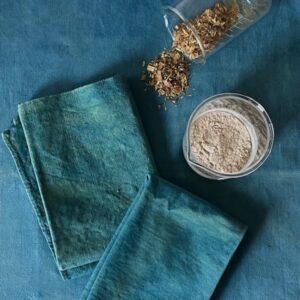
We have a new type of Mordant Monday for you today where we dive into the world of Tannins! We want to show you how to use our tannins to mordant, either in combination with aluminum sulfate, to get rich long lasting and substantive color, or to use as a base for color mixing. We will explore our tannins over the next few weeks.  In the photo pictured above we dyed our hemp towel irregulars first in an Indigo Henna Vat. We then used a 15% WOF bath of our osage saw dust to get this beautiful hue. Osage orange … Read more

mordant monday logwood

MORDANT MONDAY: Moody Hues In Black & Blue

We get mordant questions all the time at Botanical Colors so why not create Mordant Monday??? Got mordanting questions? Email [email protected] YOU ASKED: I was pleased to see the color range of your sappanwood extract on your blog since those blue-violet to gray hues are what I’m trying to achieve. You compare the color fastness to logwood, and I know that logwood doesn’t take well to cotton. Will sappanwood work on a 85% cotton 15% cashmere blend yarn and what should I mordant with? KATHY ANSWERED: You can mordant with tannin and aluminum sulfate or aluminum triformate and symplocos to … Read more

MORDANT MONDAY: Alum + Tannin & Line Fade

We get mordant questions all the time at Botanical Colors so why not create Mordant Monday??? Got mordanting questions? Email [email protected] YOU ASKED: I live in India and where I live there is a lot of rust in the water.  When I have tried to do a tannin-alum procedure before dyeing I noticed as soon as I put my fabric in the alum after the oak gall soak my fabric turns grey!!!  The alum I have is alum sulfate for cotton because I don’t have alum acetate.  I am trying symplocos now. Any suggestions how to avoid staining all material grey?? KATHY … Read more

MORDANT MONDAY: How To Reuse A Tannin Bath

We get mordant questions all the time at Botanical Colors so why not create Mordant Monday??? Got mordanting questions? Email [email protected] YOU ASKED: I’m wondering if its possible to reuse a tannin bath, perhaps by using half as much tannin powder the second time as one can do when re using a mordant bath? Recently I have made a tannin bath for linen and have lots left over, it would be great not to throw it out! Secondly, I usually rinse the fabric after mordanting and before dyeing- is this correct? KATHY ANSWERED: I think recharging and reusing tannin baths … Read more

Q & A: Round Up of Scouring + Mordanting 101

Mordanting and scouring should be at the top of your things-to-do list before natural dyeing. Botanical Colors Founder Kathy Hattori recently took on as many questions as was humanly possible to clarify the processes. Before reading, also please see our How-To Scour and How-To Mordant pages. Scouring Questions If I use untreated and unbleached fabric, is it a must to scour the fabric or is washing it enough? If you mean by “untreated” that it has never been scoured, then you should scour. If untreated and unbleached means it is also prepared for dyeing (PFD or RFD), then you can … Read more