[vc_row][vc_column][vc_column_text]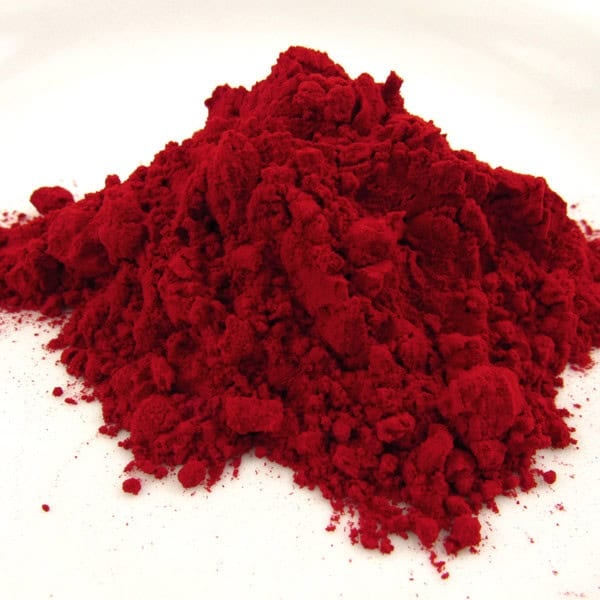
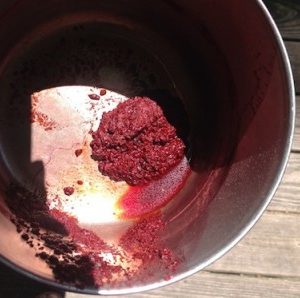
This week: You want a deep red and a dark blue and we deliver on how to do that.
[vc_row][vc_column][vc_column_text]
This week: You want a deep red and a dark blue and we deliver on how to do that.
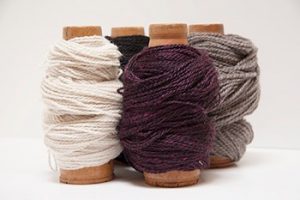

This week: Tips for keeping yarn soft when dyeing with madder and the eternal question of how to keep yarn untangled when in process.

Water Quality and Natural Dyes Each week, we are emailed with questions from our natural dye community asking simple and complex questions that we thought might be worth sharing. Here are a handful from this week answered by natural dyer in chief, Kathy Hattori, Founder of Botanical Colors: I’ve always used my tap water to dye but have just started using rain barrels to collect water I will use for dyeing-can you tell me what differences you have found in using different types of water? Water is a significant factor in natural dye results. Water that is highly mineralized with … Read more
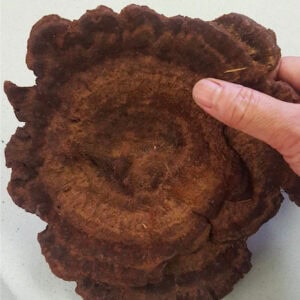
Each week, we are emailed with questions from our natural dye community asking simple and complex questions that we thought might be worth sharing. Here are a handful from this week answered by natural dyer in chief, Kathy Hattori, Founder of Botanical Colors: When working with iron on a larger scale, what is the best and safest methodology? I’m working on a project that is not big enough to requesting a dye house, so working out of a very large container (the size of a bathtub) and although I wear gloves, goggles and a (very basic) breathing mask, sometimes I … Read more
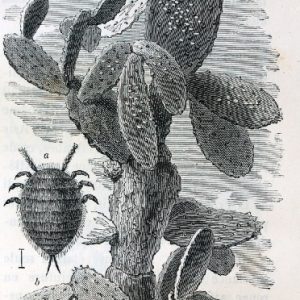
Each week, we are emailed with questions from our natural dye community asking simple and complex questions that we thought might be worth sharing. Here are a handful from this week answered by natural dyer in chief, Kathy Hattori, Founder of Botanical Colors: I really want to get a deep red what should I use? These instructions are for wool or silk. This color is trickier to achieve on cotton or linen. If available, use filtered, distilled or reverse osmosis water for the dye bath. Scour fibers well and mordant at 20% aluminum sulfate and let the fibers soak in … Read more
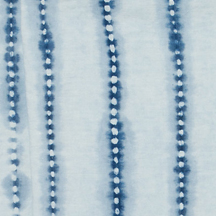
Each week, we are emailed with questions from our natural dye community asking simple and complex questions that we thought might be worth sharing. Here are a handful from this week answered by natural dyer in chief, Kathy Hattori, Founder of Botanical Colors: Do you have any tips on getting a crimson red on cotton from cochineal? Been trying so many different ways and can’t get the concentration to stay! The majority of the historical recipes for very deep and bright red on cotton use madder, not cochineal. Your best bet if you want the deepest shade on cotton is … Read more
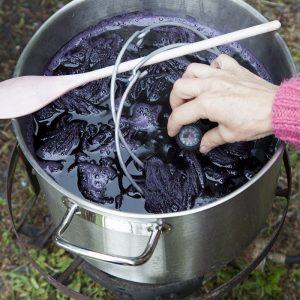
VIDEO: An Exploration of Place and Natural Dyes, Cordova Alaska Paul Gaugin was once quoted as saying “Color! What a deep and mysterious language, the language of dreams.” It’s true. Those who stop to marvel at the color all around them easily see the mysteries- looking deeply into the crashing roll of a wave, the veins on a leaf, the back of a beetle tooling slowly across the yard…nature is always busy showing off. As a sustainable fashion writer and lover of natural dyes (thanks in big part to Botanical Colors), I too am in awe of how natural dyes … Read more
According to The Advocate, “The prickly pear cactus was a scourge in outback regions of Australia until the Cactoblastus moth was introduced in 1926 as a biological method to eradicate this introduced plant pest. A consignment of 3,000 Cactoblastus moth eggs reproduced and the next generation numbered in excess of two and a half million eggs. These were distributed to selected areas from which eggs were gathered and scattered over an increasing area until about 300 million moth eggs had been successfully translocated. By 1932 most of the infested country had been reduced to soggy masses of decaying yellow pulp and by 1934 the cactus had been brought under control. This cactus was first introduced into Australia in the early … Read more
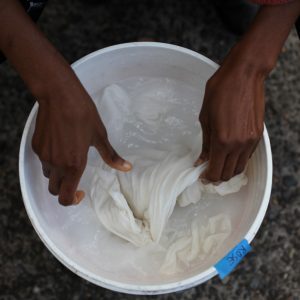
We get asked so many questions about natural dyes that we put together 8 of our most frequently asked questions! What are natural dyes? Natural dyes are textile colorants that are derived from plants, insects and other natural materials. They are steeped in history, mystery and lore and each culture has its own set of prized colors, traditions and meanings. Prior to the mid-19th century, all dyes were from the natural world. Blue came from indigo, yellow from a variety of plants, including fustic, mignonette and dyers’ greenwood, red from madder roots and cochineal insects, purple from logwood and brown … Read more
Botanical Colors
Seattle, WA
© Botanical colors 2026