

This week: How to keep madder “fast” and is alum toxic?

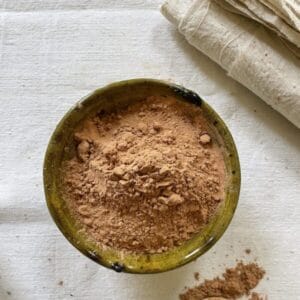
There are so many mordant variations and we urge you to experiment and find the one that works best for you. If you’re not familiar with the term, mordanting is the most important process of preparing fibers to accept color. Mordanting prepares fibers to bond with natural dyes and is typically a separate immersion bath for the fibers. Many natural dyes require the use of a mordant to achieve the most durable and long lasting colors. Though you might start with the tried and true aluminum mordants, consider trying tannin-rich extracts that not only offer a base color, they prep … Read more
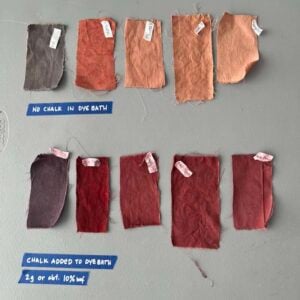
I just finished teaching A Nerd’s Guide to Mordants online this past weekend where we discussed the idea of adding minerals to the dye bath to develop deeper color. This is a technique that we’ve used in the PNW as our water is not very highly mineralized. Now many of the water sources in the United States are from groundwater sources that contain minerals like calcium and magnesium, and sometimes iron, so it’s easy to get rich reds from madder extract with little effort. However in Seattle, the water source is from snowpack and not from groundwater, so it’s somewhat … Read more
 This week: Interesting questions on pre and post-treatments for color and lightfastness
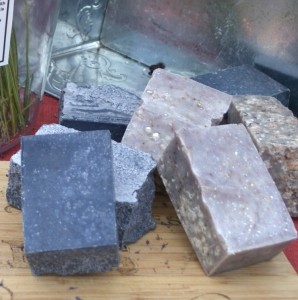

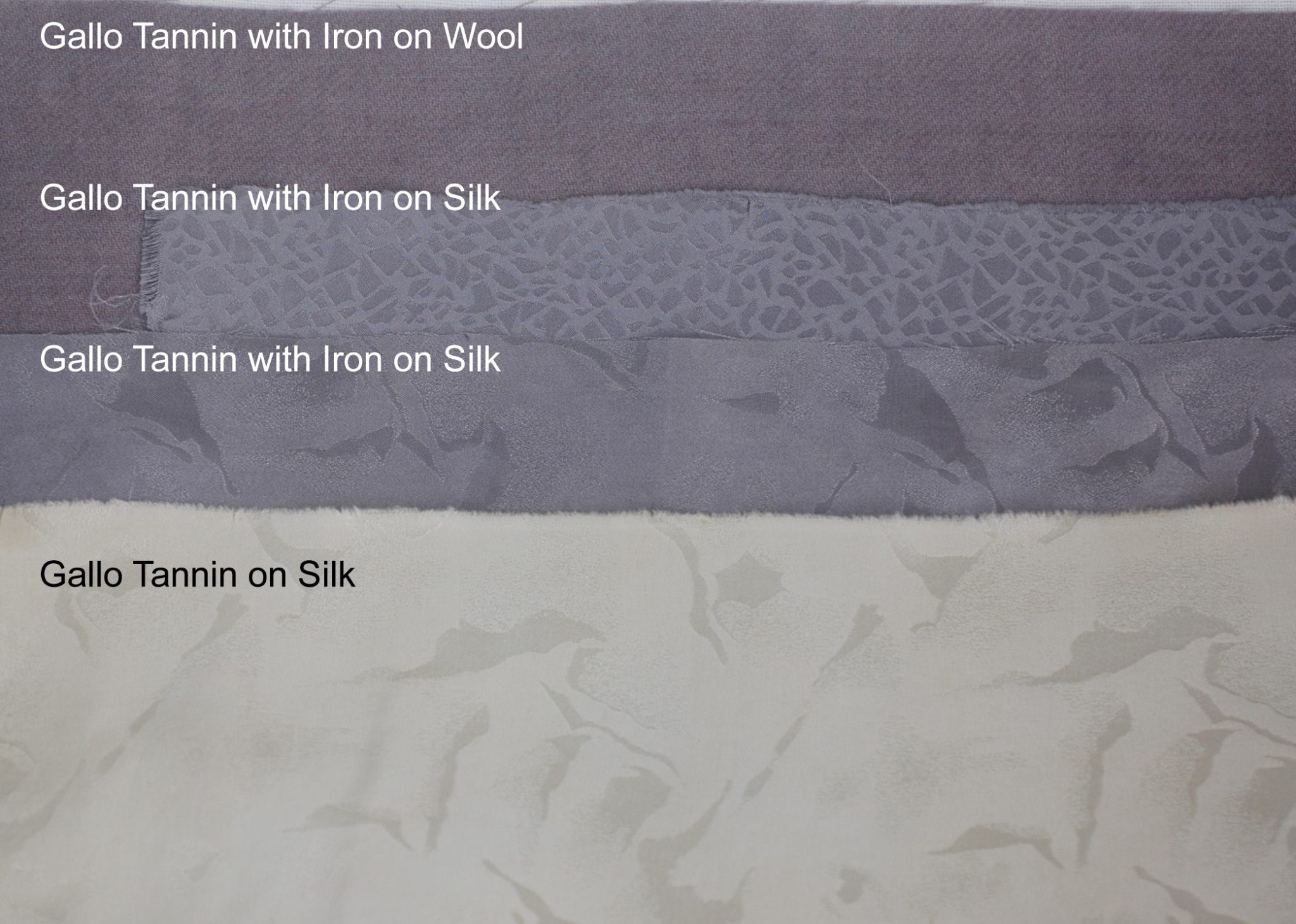
This week: Storing indigo from the colder weather, getting grays on protein fibers and indigo soap making
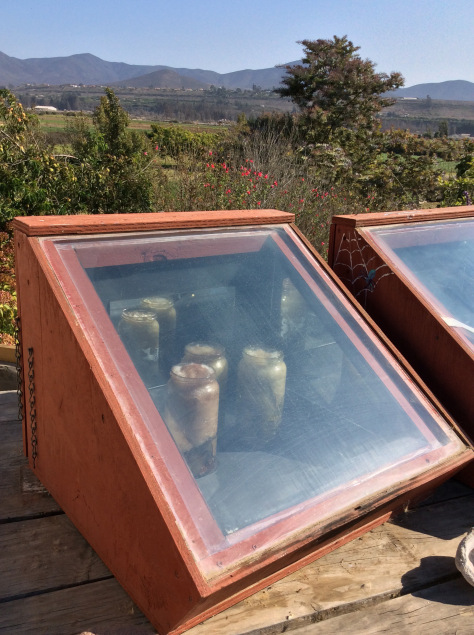
Using natural dyes is certainly a lot more friendly than using something like Rit but there are ways you can be a lot more efficient in how you use them. Here are some tips we’ve put together for you.
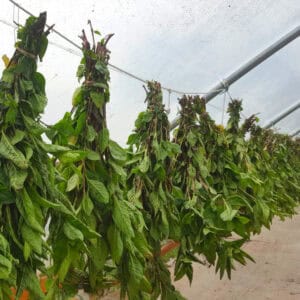

This week: What’s the shelf life of mordants and is cold indigo leaf dyeing stronger or weaker than hot?

Each week, we are emailed with questions from our natural dye community asking simple and complex questions that we thought might be worth sharing. Here are a handful from this week answered by natural dyer in chief, Kathy Hattori, Founder of Botanical Colors: I’m an indigo dyer using an iron vat. I keep getting the lime/iron residue grains adhering to my fabric when I pull it out of the vat and it either creates spots like this (attached) or just makes a piece look inconsistent. Do you guys have any tips and/or forums you could point me to? The iron … Read more
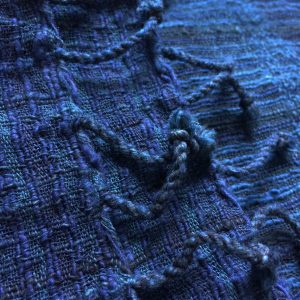
Each week, we are emailed with questions from our natural dye community asking simple and complex questions that we thought might be worth sharing. Here are a handful from this week answered by natural dyer in chief, Kathy Hattori, Founder of Botanical Colors: When do I know when I should stop rinsing my yarn after dyeing? If the fibers seem to be bleeding excessive amounts of dye while you are rinsing, stop and let the freshly dyed fibers air dry completely. Once the fibers are dry, then rinse and air dry. It seems like there’s a still a little color … Read more
Botanical Colors
Seattle, WA
© Botanical colors 2026

