L.A.’s Rule of Three: Embracing Natural Color, Pattern and Surface

“Los Angeles-based designer and Rule of Three founder Paige Cleveland has over a decade of experience in the graphic and fashion design industries. With an ardor for textiles, and the unexpected way color and pattern interact when combined, the seed was planted very early on. After traveling the globe and endless amounts of research on traditional textiles and ancient printmaking techniques, the direction for the line became clear.” “The focus turned to dyes of historical importance and a color palette made from nature, dyeing techniques like Shibori and printmaking using Suminagashi, the Japanese art of marbling. Stripping the design process … Read more

‘Rebirthing’ Clothing Through Upcycling & Natural Dyeing to Reduce Carbon

Author Bronte Hogarth pens a story for 1 Million Women on natural dyeing and giving old clothing a new look. We agree with her 100%! Did you know that by “rebirthing clothes through upcycling, you could save an estimated CO2 Saving of 12kg per month (120kg per year), just by extending the life of your clothing?” Neither did we. Now it makes us want to get some vats going immediately and get others addicted to natural dyeing! Read the full story here on 1 Million Women. Image: 1 Million Women

Natural Dye Class at Tolt Yarn and Wool

From Carnation,Washington based Tolt Yarn and Wool’s newsletter you should sign up for! “Two amazing instructors and three engaging opportunities to learn the art of yarn and fiber dyeing are coming up in August! Kathy Hattori is offering two separate workshops which will take place at Jubilee Farm in Carnation! First up is GATHERING COLOR on Saturday, August 23 from 10am to 4pm. This class teaches the basics of dyeing with traditional raw, natural dyestuffs from ancient times, including madder roots, cochineal, walnut and osage sawdust. Students will also receive a handout with information about common local dye plants plus … Read more

A VIP Indigo Dye Party with Sustainable Powerhouses

Last weekend we decided to get some of our favorite Seattle folks together for a private dyeing party and show them how much fun one can have putting color to cloth. In attendance were Sarah Menzies filmmaker, director and general mind-blower of Let Media, model, activist and humanitarian Kate Dillon who works for forestry protection through Code REDD, business coach Tara Wefers as well as Leslie Ross who is keeping Seattle in proper planetary alignment. There were lots of “Oooohs” and Aaahhhhs” and fun new tricks happened upon by accident but the one thing we loved most? Getting a fantastic … Read more

Good for You Clothing from Oregon’s Tinctoria Designs

Tinctoria Designs was created by Samantha Backer and Jill Golden in the Spring of 2003. All of Tinctoria’s garments are the duos original designs and are “intentionally manufactured” in Portland, Oregon using only organic fabric blends including hemp, soy, and organic cotton and Botanical Colors’ natural dyes. Both Sandy and Jill use organic fibers to “honor and protect our bodies and the environment.” Each Tinctoria garment is first sewn in it’s undyed natural state and is then hand dyed in our studio using material extracted from trees, roots, plants, and insects. All of the colors are handcrafted by mixing and … Read more

Nankeen Textile Dyeing with LuRu Home

LuRu Home brings a contemporary edge to a traditional craft by working with several of the remaining Chinese families using the Nankeen textile dyeing technique to create beautiful home decor pieces. What is Nankeen and how do they keep this craft alive you ask? Their website has a wonderful article about the process and beauty of this traditional textile. Nankeen is a technique used to dye cotton and linen with indigo. Can you tell us a little more about its history? Chinese textile historians can trace the Nankeen dyeing tradition back 3,000 years to the Shang Dynasty. Indigo’s roots run deep … Read more

These Natural Dyers are ‘Better Than Google’

“THEY are the duo described by their admirers as ‘better than Google.’ Revered for their incredible fine motor skills, Olive Edyvean and Margaret Belling are two of the longest serving members of the Handweavers and Spinners Guild of Wagga. Olive joined the guild when the club was in its infancy, attending her first meeting in 1970 – just two years after it was established in 1968. Five years later Margaret walked into the guild’s annual general meeting and became the newest member of the tight-knit fold. “My daughter was doing textiles and spinning was becoming all the rage so she … Read more

INTERVIEW: Donna Hardy of Sea Island Indigo

272 years after the first successful indigo crop was planted in the Carolina colonies, Donna Hardy of Sea Island Indigo got an idea to research and track down the original strain of indigo plants that were grown in colonial Charleston. Her research and persistence located a few remaining varieties in isolated areas that had been grown for generations: a pretty but humble shrub hiding its secret blue dye. Armed with a handful of seeds and the offer of a plot of land and free goat manure, Donna started her first crop of indigo and was overjoyed when she tested them … Read more

Dyeing For Dummies: The Wonders of Cochineal Dye

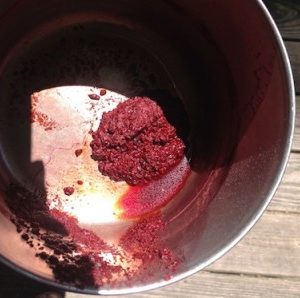
Like I’ve said before, working for a natural dye guru like Kathy Hattori can give one an inferiority complex. I hate inferiority complexes for me or anyone else, so when feeling less than, I say take on the thing that most scares you (unless it’s skiing). In this particular case, I accepted the challenge of cochineal and a Tussah Silk Gauze Shawl that is also on the Botanical Colors site. In the instructions that Kathy gave me, it said to use a coffee grinder or spice mill to grind up 1 tablespoon of whole cochineal (for a dark red which … Read more

Studio Time with Brooklyn’s Dogwood Dyer

Studio time is always inspiring and we were more than happy to welcome Liz Spencer of The Dogwood Dyer from Brooklyn a few weeks ago. Liz creates hand made accessories and garments from ethically sourced fibers and dyestuffs from the country and along roadsides surrounding New York City. She also grows some of her dyes in her urban Brooklyn street-side planters completely free of chemicals. Cataloging madder in the studio To reduce the impact of the water intensive dyeing process, 80% of her dye water is recycled back into her garden and she uses fibers like alpaca, mohair and Cormo … Read more